Charity shops are an important part of the high street. They sell second-hand goods, raise money for good causes and help keep usable items in circulation. But their value goes beyond what they sell.
Many charity shops are also places where people meet, chat and build relationships. Regular customers get to know the staff and volunteers. Donors stop for a conversation when they drop off a bag. Some shops even have cafés where people can sit down and spend time together.
This is something the wider retail sector can learn from. Charity shops already offer something many other retailers are trying to recreate: a reason for people to visit regularly, spend time there and feel part of a local community.
Charity Retail Is About More Than Selling Things
A charity shop is still a shop. It needs to sell stock, cover its costs and raise money for its cause. But the way it works often creates opportunities for people to connect.
A customer might come in during their lunch break to browse the rails. Another might visit every week to see what has arrived. Someone else might bring in donations and stay for a chat with a volunteer they have known for years.
These small interactions matter. They turn a simple shopping trip into a familiar part of someone’s routine.
Charity retail also has a wider purpose. It gives donated goods a second life while helping fund charitable work. If you want to understand more about how the sector operates, read our ultimate guide to charity retail.
Charity Shops Give People a Reason to Come Back
Retailers often look for ways to encourage repeat visits. Loyalty schemes, promotions and new product launches can all help. Charity shops have another advantage: their stock is always changing.
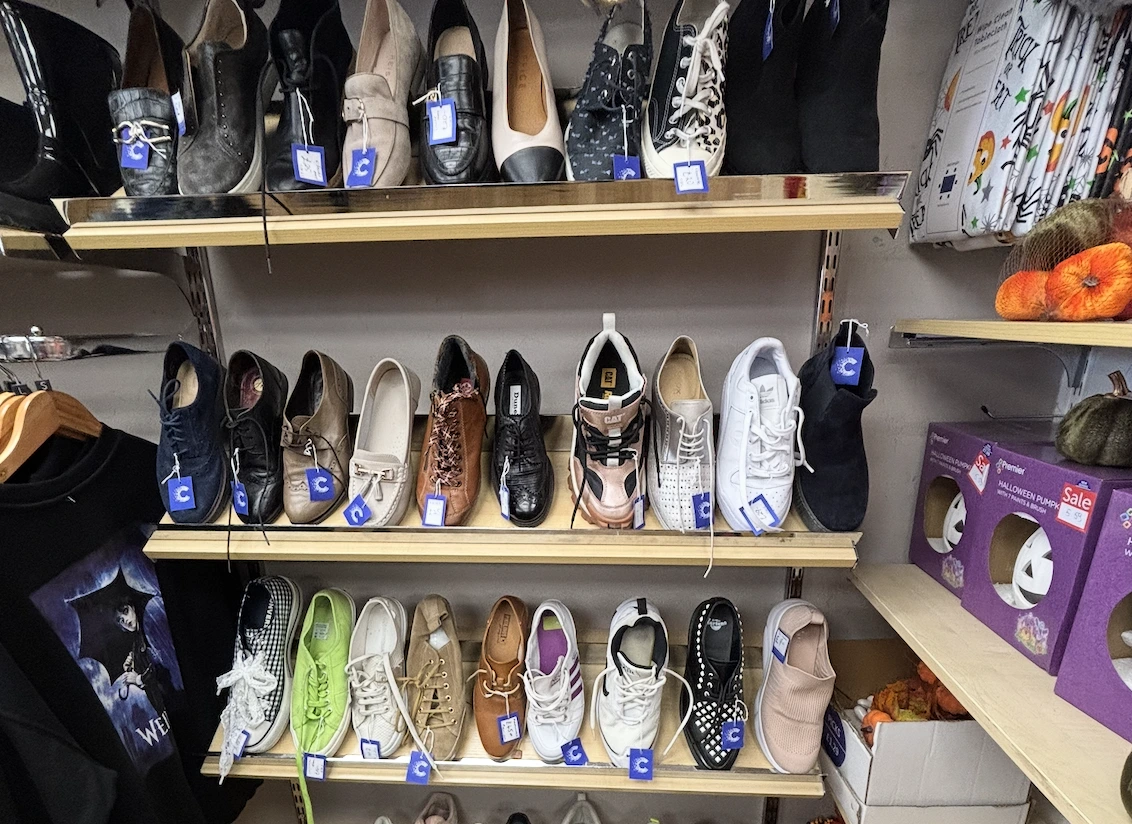
Because items come from donations, customers rarely know exactly what they will find. A rail might look completely different from one week to the next. A regular visitor might discover a coat, a book or a piece of homeware they were not expecting.
This creates a natural reason to return. Browsing can be part of the pleasure, even when someone does not have a particular item in mind.
The experience is also different from shopping online. People can look through the stock at their own pace, find unexpected items and speak to the people working in the shop.
Other retailers can learn from this. Giving people a reason to return does not always mean offering another discount. It can also mean creating an experience that feels fresh, welcoming and worth making time for.
Charity Shops Are Community Spaces
Many charity shops become familiar places in their neighbourhoods.
Regular customers recognise the people behind the till. Volunteers know who comes in every week. Donors may stop to talk when they bring in items. Over time, these repeated interactions help create a sense of belonging.
For some people, especially those who live alone or have limited opportunities to socialise, a quick conversation in a local shop can be an important part of the day. It may only last a few minutes, but it still has value.
Some charity shops build on this by adding cafés, hosting events or creating spaces where people can sit and talk. These features give visitors another reason to stay, rather than simply coming in, buying something and leaving.
Not every shop has the space or resources to do this. A small shop with a friendly team can still play an important role in local life.
The key point is that a shop can be more than a place to buy things. It can also be somewhere people feel comfortable returning to.
Volunteering and Donations Bring People Together
Charity shops also bring people into the high street for reasons other than shopping.
Volunteers help sort donations, prepare stock, serve customers and keep the shop running. Many develop friendships with other volunteers and build relationships with regular customers. For some, volunteering provides routine, useful experience and a connection to their local area.
Donating goods can create similar connections. People bring in clothes, books and household items they no longer need, knowing that those items may help raise money for a cause. The donation process gives local people a practical way to support a charity and take part in the work it does.
These activities help connect the shop to the community around it. People are not only customers. They can also be volunteers, donors, supporters and regular visitors.
You can read more about this in our ultimate guide to charity shop volunteering.
This is another lesson for the wider high street. Local businesses can build stronger relationships by giving people more ways to take part, whether through community events, local partnerships or opportunities to get involved.
What the Wider High Street Can Learn from Charity Retail
Charity shops are not perfect, and their model cannot simply be copied by every retailer. They work with donated stock, volunteers and a charitable purpose, which makes them different from most commercial businesses.
Still, there are useful lessons for other shops and high-street businesses.
Give people a reason to return
A shop does not need to rely on discounts to encourage repeat visits. New stock, seasonal displays, small events and changing offers can give people a reason to come back.
The experience matters too. Customers are more likely to return when they enjoy browsing and feel welcome, even if they do not buy something every time.
Make the shop feel welcoming
A friendly greeting, a helpful conversation and staff who recognise regular customers can make a difference.
These things may seem small, but they help turn a shop into a familiar local place. People often remember how a place makes them feel as much as what they bought there.
Build relationships with the local community
Charity shops are connected to the people who donate, volunteer and shop there. Other retailers can build similar connections by working with nearby businesses, supporting local activities or taking part in community events.
The aim is not to turn every customer into a friend. It is to make the shop feel connected to the area it serves.
Give people a reason to stay
Some shops have cafés or seating areas. Others create a more enjoyable experience through their displays, layout or events.
Not every retailer can add a café, but it can still think about whether the space is pleasant to spend time in. A shop that feels rushed or unwelcoming gives people little reason to stay longer than necessary.
Think beyond the sale
A shop’s value to its neighbourhood is not measured only by the number of items it sells.
Local retailers provide jobs, bring people into the area and help give a high street its character. They can also support other nearby businesses when people visit several shops in one trip.
Charity shops show how retail can combine trading with a wider purpose. Their contribution includes the money they raise, the goods they reuse and the connections they help create.
Charity Retail and Traditional Retail Have Different Strengths
There is no single model that works for every shop. Commercial retailers face different pressures, and charity shops have their own challenges, from unpredictable donations to the cost of running a store.
There are also lessons in understanding these differences. Our article on charity retail vs normal retail looks at how the two models compare, including their stock, staffing and business goals.
Pricing is another part of the picture. Charity shops need to raise money for their causes while keeping their offers attractive to shoppers. Our article Why Are Charity Shops So Over Priced in London? explores some of the pressures behind charity shop prices and why finding the right balance matters.
These challenges are real, but they do not take away from the wider role charity shops can play in their local areas.
Not Every Shop Needs to Become a Community Hub
The lesson is not that every high-street shop should add a café, organise events or try to become a social centre.
Different shops serve different needs. Some people want a quick, convenient purchase. Others enjoy browsing and spending more time in a place. A good high street needs a mix of businesses and experiences.
But retailers can still think about the relationship they have with the people who visit them. Are customers comfortable spending time in the shop? Is there a reason for them to return? Does the business feel connected to its neighbourhood?
Small changes can make a difference. A more welcoming space, a stronger connection with local events or simply taking the time to get to know regular customers can help a shop become part of everyday local life.
Charity Shops Are Part of What Makes a High Street Work
Charity shops show that retail can offer more than products at a price. They can create familiar places, bring people together and give local residents reasons to return to the high street.
Their changing stock encourages browsing. Their volunteers and donors help connect them to the community. Their friendly, familiar atmosphere can make a quick visit feel like part of a wider routine.
These qualities are worth recognising at a time when many high streets are trying to attract more visitors and give people reasons to shop in person.
The wider retail sector does not need to copy charity shops. It can learn from the way they build relationships and become part of local life.
At Ganddee, we want to help more people discover the charity shops and second-hand stores around them. If you run a charity shop, you can list your shop for free on Ganddee and help more local shoppers find you.
Related guides
More from Ganddee for charity shops
- Ganddee for charity shops: more footfall and donations
- Claim your charity shop’s free listing
- Browse charity shop chains on Ganddee
Run a charity shop? Ganddee puts your shop in front of local shoppers and donors, and tells them when you can take donations. See how Ganddee works for charity shops.