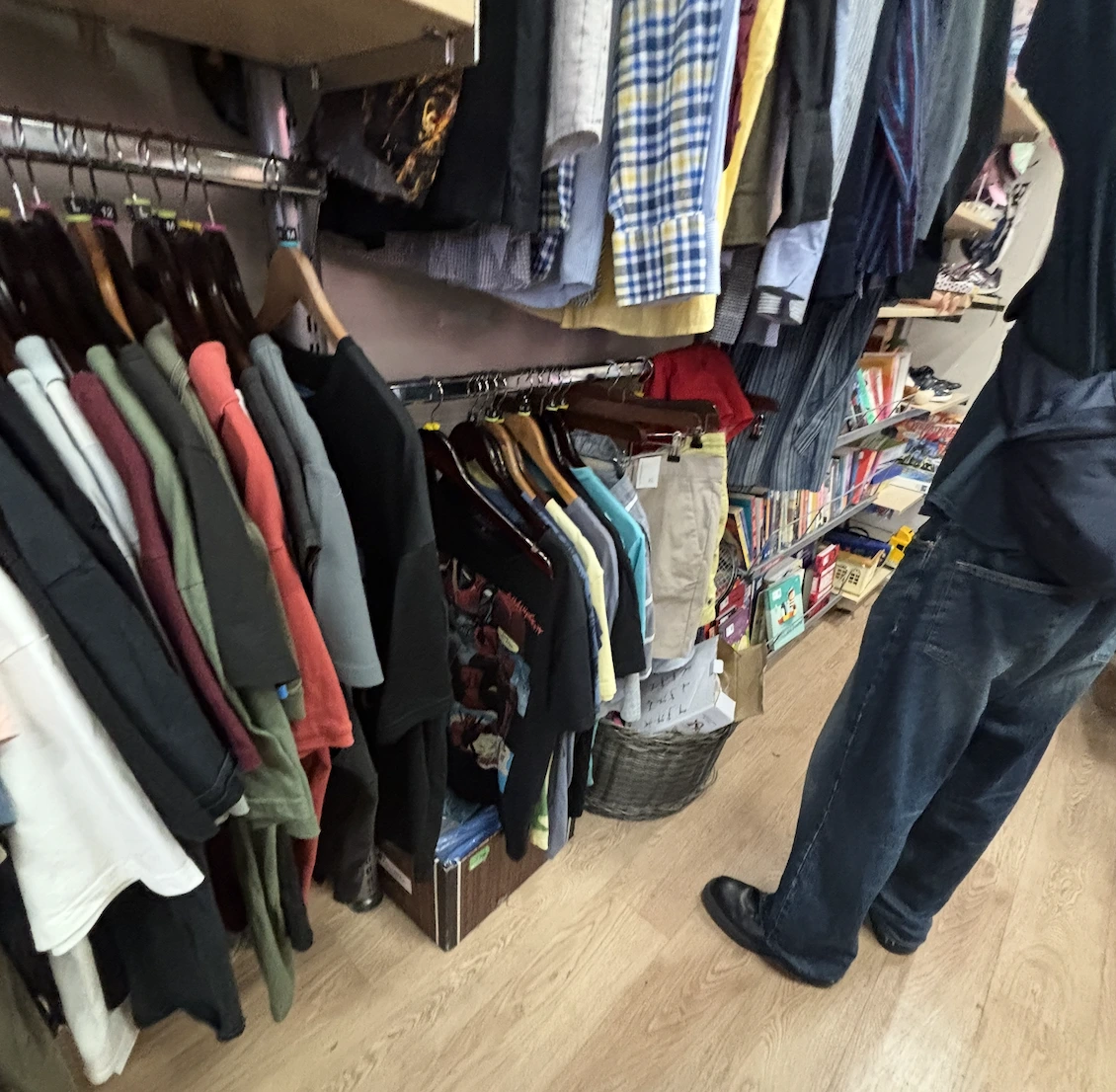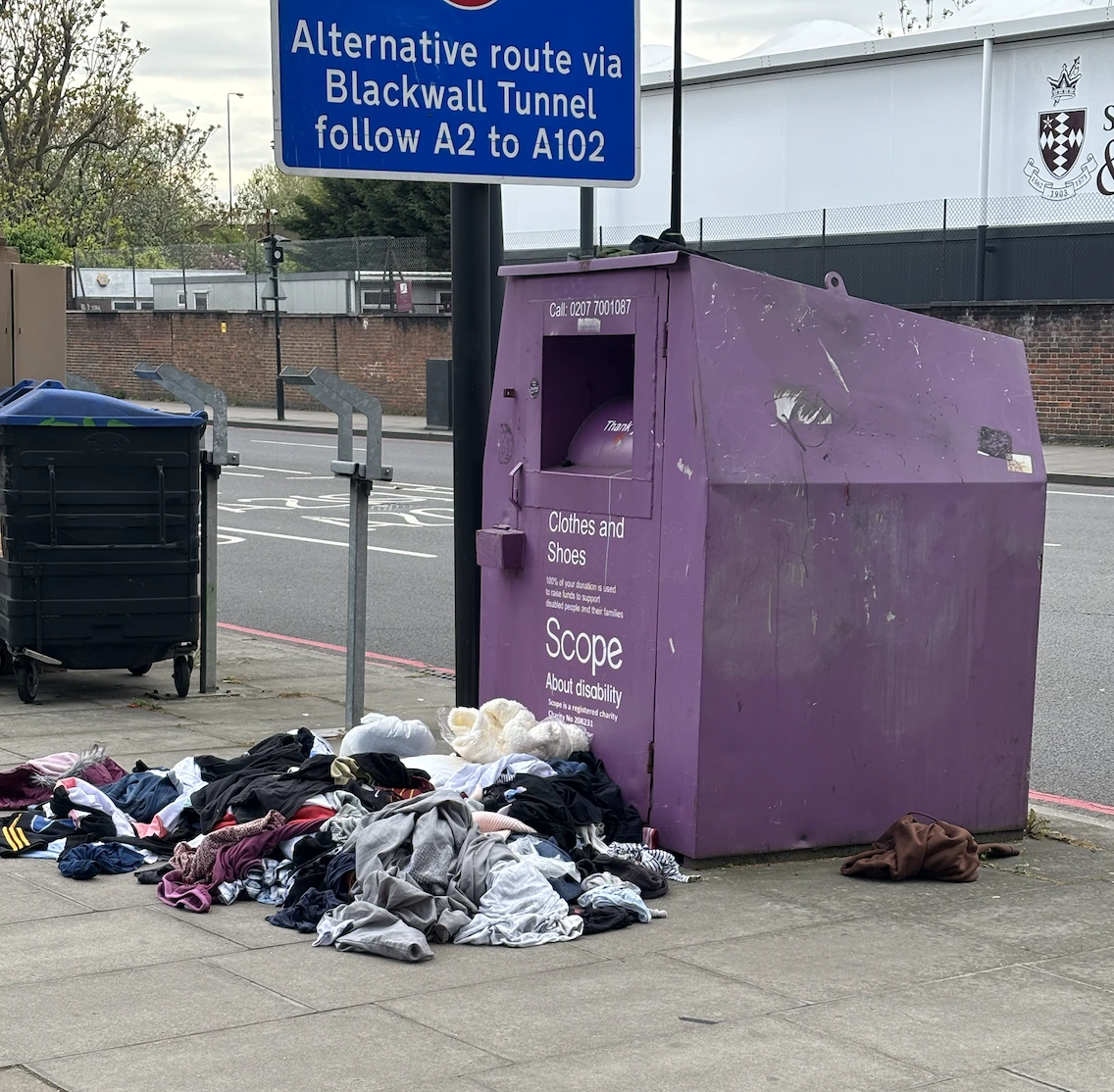
In a charity shop, the right price is the one that sells in that town, at that time. It is rarely the highest price you can find online.
Second-hand pricing has become much more professional over the past fifteen years. That is mostly a good thing. No charity wants to see a valuable painting or a piece of gold jewellery sold for £2 when it could raise much more for the cause.
But trying to get the highest possible price for every item has its downsides. It slows sales, fills the stockroom and can put off both customers and donors. Sometimes, trying to make more money from one item means raising less money overall.
Over the years, we have spoken to many charity retail professionals while building Ganddee. These conversations have given us plenty of insight into what works, what doesn’t, and why pricing is about more than finding the highest possible price.
Run a charity shop? Ganddee puts your shop in front of local shoppers and donors, and tells them when you can take donations. See how Ganddee works for charity shops.
The Price You Ask May Not Be What Charity Shoppers Are Ready to Pay
Anyone can list an old plate on eBay for £100. That only tells you how much the seller wants. It does not tell you what someone is willing to pay.
The more useful figure is the sold price, along with how long the item took to sell. Experienced pricers look at completed eBay sales for this reason. They offer a much better guide to market value than active listings.
The same problem comes up with labels such as “old”, “rare” and “vintage”. Old does not mean rare, and rare does not mean that people want it. A DVD box set that cost £40 in 2008 might struggle to sell for £5 today, whatever the original price was. Calling something “vintage” does not make it more desirable.
Clothing is a good example. A piece might look retro and catch a volunteer’s eye, leading them to price it at £20. But a quick search might reveal that it comes from a fast-fashion brand and originally sold for less than £5.
That price is unlikely to work. The item could sit on the rail for weeks, while customers use tools such as Google Lens to find the original product and compare prices.
There are plenty of examples of things that look valuable but are not worth much on the second-hand market. Good pricing starts with understanding what an item is and what people are likely to pay for it.
Charity Shops Must Price for the Local Market
A price that works in a big city centre might be wrong in a market town 40 miles away. Local incomes differ, rents differ, and so does the number of other charity shops nearby.
Central pricing guides help shops stay consistent and avoid obvious mistakes. But they cannot tell you what is happening on the shop floor. A good shop manager can. They know which rails empty by lunchtime and which items have been ignored for a month.
Online sold prices have a similar limitation. An eBay seller can reach buyers across the country. A high-street shop depends on the people who walk through its doors. An item that sells online for £70 might only attract a buyer at £20 locally. And £20 today is better than £70 that never comes.
The best approach combines three things: central guidance for consistency, online research for unusual items, and local judgement - by the charity shop staff - for the final price.
Stock That Doesn’t Sell Costs Money
A traditional retailer buys stock and reorders what sells. A charity shop receives whatever people donate. Often, there are dozens more bags waiting in the stockroom.
This changes the maths. Consider one item:
- Priced at £30, it sits on the shelf for two months.
- Priced at £15, it sells in a week, freeing up space for the next donation.
The second shop might raise more money overall, even though it sold the item for less.
Many shop managers give items around four weeks to sell. During that time, they might move stock around the shop each week to give regular customers something new to see. If an item still hasn’t sold, they reduce the price or move it on.
The worst outcome is easy to overlook. A shop holds out for an extra £10, but eventually has to clear the item to a textile recycler or dispose of it because space is needed. The item was priced at £30 for months, but raised nothing in the end.
Price, time and space all matter. A higher price is only better if someone is willing to pay it within a reasonable time.
The Reputation of Your Charity Shops Matters More Than One Sale
People expect charity shops to be affordable. Whether or not that expectation is fair, it shapes how they see these shops. Charity shops need to raise as much money as possible for their causes, but they also need customers to feel that they are getting good value.
When a shop becomes known for high prices, word spreads quickly. People complain on social media, and staff start hearing comments at the till: “It’s not really a charity shop anymore.”
Once a shop gets that reputation, it can be difficult to change it.
The effects can reach the stockroom, too. Almost everything a charity shop sells has been donated. People give because they believe in the cause. If they start to feel that a shop cares more about money than its mission, they might take their donations elsewhere.
The opposite is true as well. Shops known for fair prices get recommended to friends, attract positive posts on social media and bring in new customers. That kind of word of mouth can last much longer than a single sale or promotion.
Making an extra £5 on one item is not worth much if it costs the shop the trust of its customers and donors.
We’ve also explored this from the shopper’s perspective in our article, Why Are Charity Shops So Over Priced in London?. It looks at why some charity shop prices have risen and how shops can balance fundraising with offering good value.
Online Selling Is a Strategy, Not Just Another Sales Channel
Resellers have a simple advantage. They buy locally and sell nationally. For years, many charity shops could only do the first part.
That is changing. Many charities now sell on eBay, while others also use Vinted, Depop or their own online shops. But adding more sales channels does not automatically mean making more money. Every online listing takes time to photograph, describe, store and dispatch.
The important questions are about the money and effort involved:
- What does it really cost to take an item from donation to sale?
- Which items are worth selling online, and which sell faster in the shop?
- Do the shops and the online team work as one network, or as two separate operations?
- Are we measuring sales, or the money that actually reaches the cause?
There is no single model that works for every charity. Central listing teams, shop-led online selling and a mix of the two can all work. The right choice depends on the numbers and how well the operation runs.
We’ve written a guide to online listing tools for charity retail.
These tools can make online selling easier, but they also introduce new challenges. Shops need to decide how to manage online stock, when to remove online listings that have not sold (but which items are stocked physically somewhere), and how to keep online inventory separate from items on the shop floor.
These details can make a big difference. Adding a new sales channel means changing how stock is managed, and that extra work should not be underestimated.
For some charity retail networks, a simple operation with good pricing and strong local appeal will work better than a more complex setup across several online platforms. More channels can mean more sales, but only if the extra work is worth it.
The Best Charity Shop Price Works for Everyone
A good price gives the charity a fair return and the shopper good value. It keeps stock moving and helps maintain the trust of the people who donate and shop there.
No spreadsheet can get this right on its own. You need to understand the local market, know your customers and pay attention to what actually sells.
At Ganddee, we see the customer side of this every day. People search for charity shops near them because they want to find something good at a fair price. Shops that get this balance right give people a reason to come back and recommend them to others.
Work in charity retail? We’d love to hear how you approach pricing in your shop. Get in touch at hello@ganddee.com.
And if you’re a shopper, download Ganddee for free to discover charity shops near you and find your next second-hand bargain.
Related guides
- The Ultimate Guide to Charity Retail: How Charity Shops Work
- Charity Retail: What High Streets Can Learn from Charity Shops
- The Ultimate Guide to Charity Retail Jobs in the UK